Teaching Addition to Kids: From Objects to Mental Math
How to Teach Addition to Kids (Without Making Them Hate It)
The biggest mistake parents make when teaching addition is going abstract too fast. You sit down with your kid, write "2 + 3 = ?" on paper, and wonder why they look at you like you're speaking another language. That's because you are.
Numbers on paper mean nothing to a 4 or 5 year old. They need to touch things first.
Start With Stuff They Can Grab
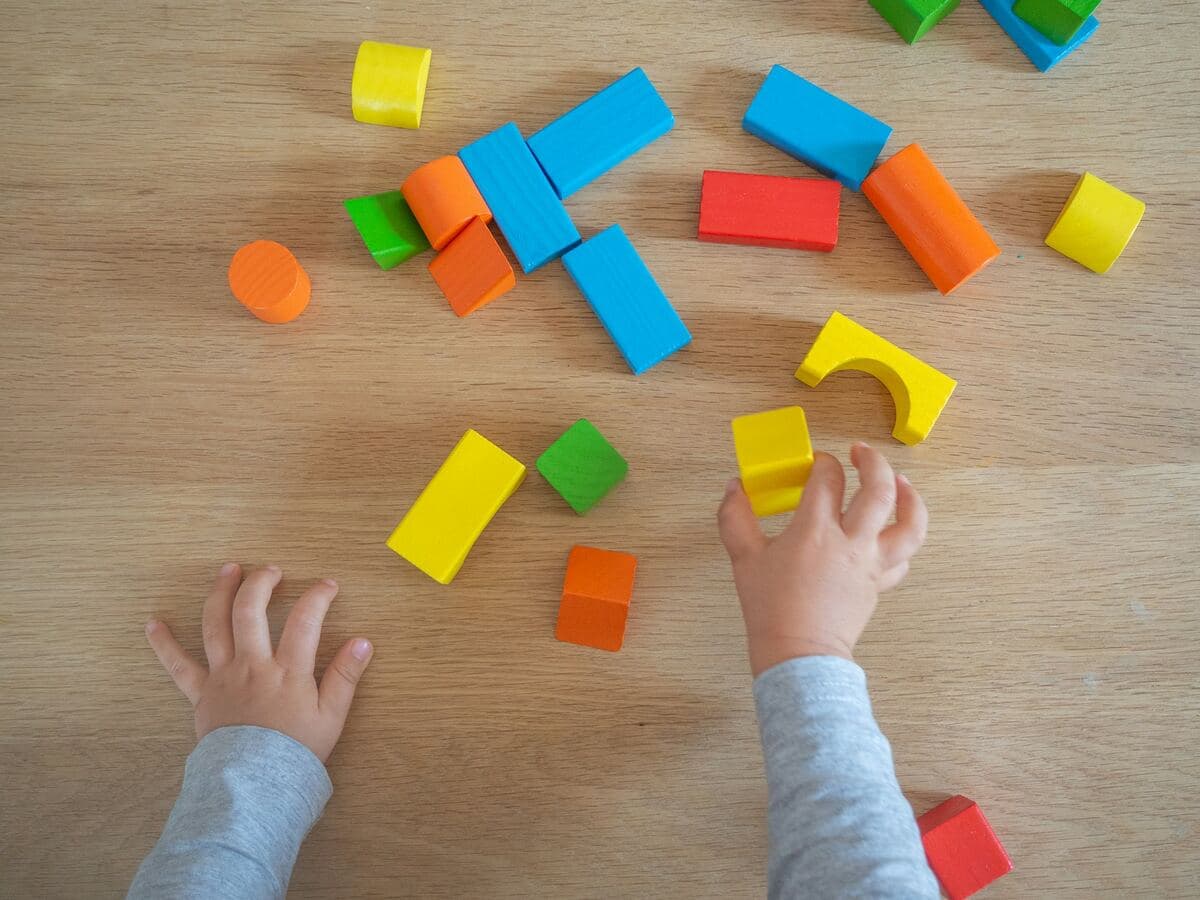
Get some blocks, LEGO bricks, grapes, whatever you have around. Put 2 grapes on one side and 3 on the other. Ask your kid to push them together and count all of them. That's it. That's addition.
Do this for days. Maybe weeks. Don't rush it. Use different objects each time so they don't think addition only works with grapes. Spoons at dinner, toys during play, socks while folding laundry.
The point is that "adding" means "putting things together and counting how many you have." Once they really get that idea with their hands, everything else becomes easier.
Then Move to Fingers
Fingers are the bridge between physical objects and mental math. Show them: "Hold up 2 fingers on this hand, 3 on this hand. Now count all your fingers."
Some parents worry about kids relying on fingers too long. Don't worry about it. Fingers are a tool. They'll drop them when they're ready, just like training wheels.
At this stage, play lots of little games throughout the day. "I see 2 red cars and 1 blue car. How many cars?" Keep it casual. You're not running a math class, you're just talking about numbers.
Now Try Paper
Once your kid can add small numbers using fingers without hesitating, you can introduce written problems. Start simple. 1 + 1, 1 + 2, 2 + 2. Keep the numbers small so they can still verify with their fingers.
This is where addition worksheets come in handy. Print a page with 5 or 6 problems, not 30. Let them use fingers, objects, or whatever they need. The goal is practice, not speed.
If they get one wrong, don't just say "no." Go back to objects. "Let's check with blocks." This builds trust in the process instead of fear of mistakes.
Make It a Game, Not a Lesson
Kids learn more when they don't realize they're learning. Our addition practice game lets kids solve problems at their own pace with no timer and no pressure. They get instant feedback and can keep going as long as they want.
But you don't need a screen for this. Roll two dice and add them up. Count steps as you walk ("we took 4 steps, now 3 more, how many total?"). Split a pile of raisins and put them back together.
The Order Matters
Here's the sequence that works:
- Physical objects (days to weeks)
- Fingers (weeks)
- Paper with support (fingers and objects allowed)
- Paper without support
- Mental math
Don't skip steps. Don't rush steps. Every kid moves at their own speed, and that's fine. A kid who spends three weeks on step one isn't slow. They're building a foundation that makes everything else click.
The whole thing should feel like play. If your kid is stressed or crying, you've pushed too hard. Back up a step, make it easier, and try again tomorrow.