How to Actually Use Math Worksheets With Young Kids
How to Actually Use Math Worksheets With Young Kids
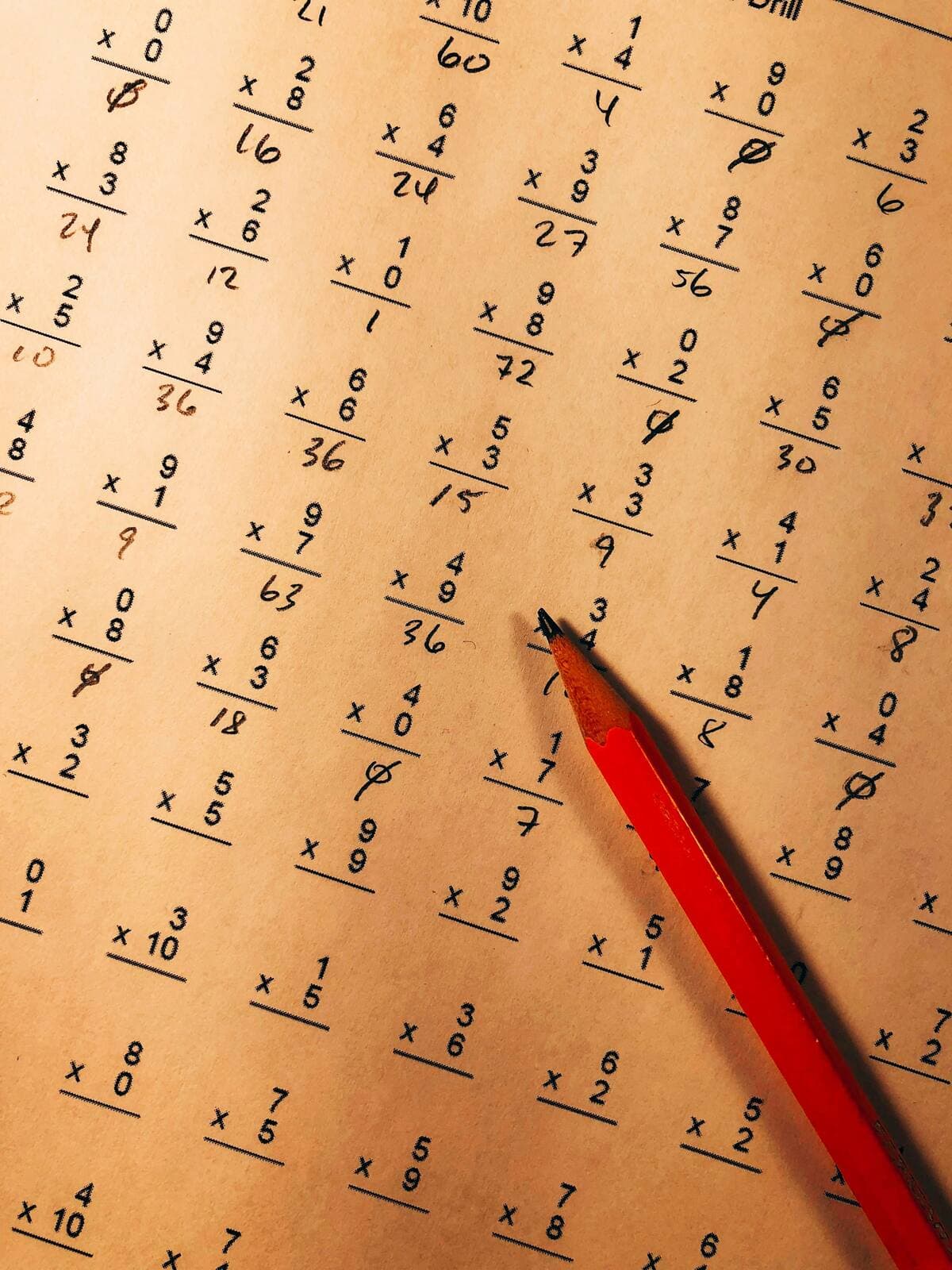
Worksheets get a bad reputation. Parents picture rows of dreary problems and a bored kid staring out the window. But the problem isn't worksheets themselves. It's how we use them.
Used right, a simple printed page is one of the best tools you have. Here's what works.
Timing Is Everything
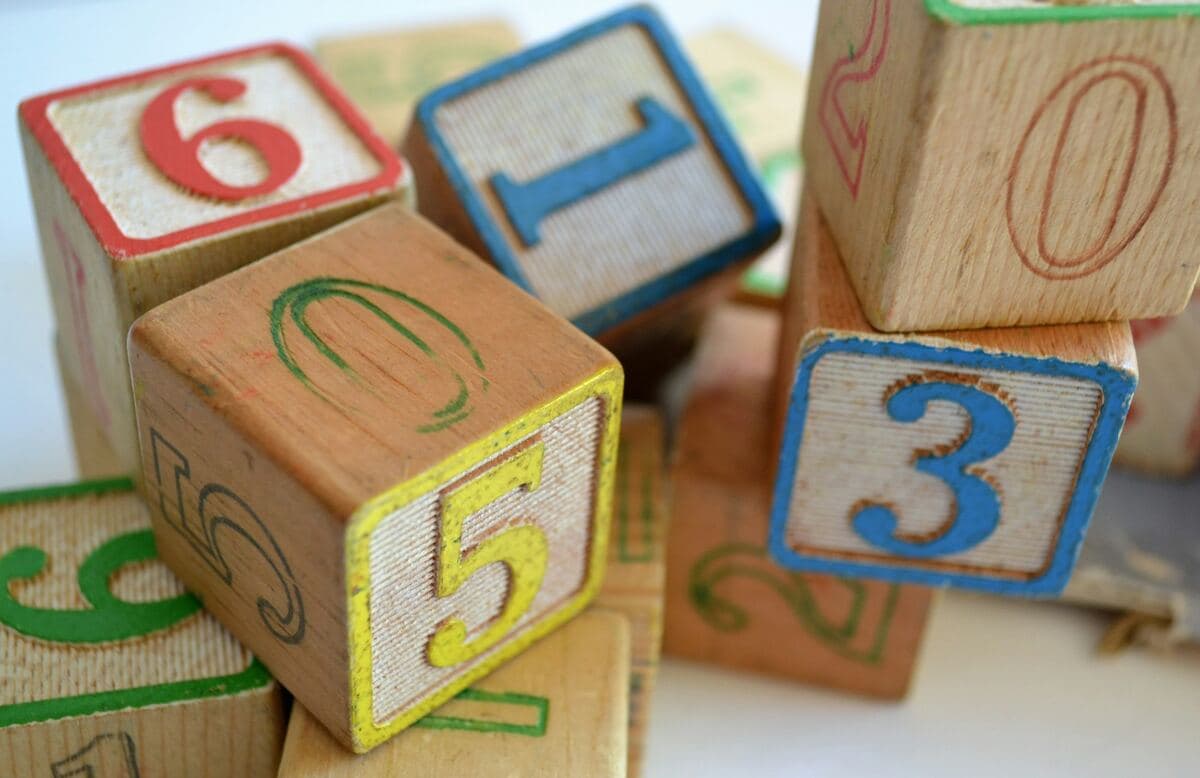
Don't start with a worksheet. Start with play. Let your kid mess around with blocks, count things around the house, or play a quick math game first. Then pull out the worksheet.
Why? Because the worksheet should be practice, not introduction. If your kid hasn't seen 3 + 2 with real objects yet, a printed "3 + 2 = __" is just a confusing symbol puzzle. Play first, worksheet second.
The best time for worksheets is when your kid already feels confident about the concept and just needs reps. Think of it like shooting baskets after learning the form.
Keep It Short
Five minutes. That's your target for kids under 6. Maybe ten minutes for 7-8 year olds. If the worksheet has 20 problems and your kid finishes 8 before losing focus, that's fine. Stop there.
Pushing through when they're done mentally doesn't build math skills. It builds resentment. You can always do the rest tomorrow.
This is why our worksheet generators let you pick how many problems to include. Print a page with 6 problems instead of 30. Your kid finishes, feels good about it, and actually wants to do it again next time.
Let Them Use Manipulatives
A worksheet doesn't mean "no help allowed." Let your kid use fingers, blocks, coins, or anything else to work through problems. The paper is just a place to record answers, not a test of whether they can do it in their head.
Some kids like to draw dots next to each number and count them. Great. Some count on their fingers under the table like it's a secret. Also great. Whatever gets them to the answer while understanding the process is the right method.
Don't Grade Them
Resist the urge to mark wrong answers with a red pen. Your kid is 5, not in college. Instead, go through the worksheet together after they finish.
When you find a wrong answer, don't say "this one's wrong." Say "let's check this one together" and pull out some blocks. Make it a puzzle to solve, not a mistake to correct.
If they got most of them right, celebrate that. If they struggled, the worksheet just told you what to practice more with objects and games before trying paper again.
Mix It Up
Doing the same type of worksheet every day gets old fast. Monday could be addition, Wednesday could be sort numbers, Friday could be missing number problems.
Variety keeps things interesting and helps kids see math as a big connected thing, not just one skill they have to grind.
The Right Way to Use Worksheets
Here's your checklist:
- Play with the concept first (objects, games, conversation)
- Pull out the worksheet when they already get the idea
- Keep sessions to 5-10 minutes max
- Allow fingers, blocks, and other tools
- Go through answers together without grading
- Stop before they get frustrated
- Mix different types across the week
Worksheets are a tool, not a curriculum. They work best as the finishing touch after hands-on learning, not as the starting point. Get the order right and your kid might actually ask to do one.