Kids Learn Math Better When They Don't Know They're Learning
Kids Learn Math Better When They Don't Know They're Learning
My daughter hates math worksheets. Put one in front of her and she shuts down. But last week she spent 20 minutes figuring out how to split 12 gummy bears equally between 3 stuffed animals. That's division. She didn't know it, and that's exactly why it worked.
Math anxiety is real, even for little kids
When a child hears "time for math," their brain often goes into defense mode. They expect to get things wrong. They expect it to be hard. But when they're playing a board game and need to count spaces, there's no anxiety at all. It's just part of the game.
This is the sweet spot for learning. The kid is so focused on winning, sharing, or building that the math happens in the background. No stress, no tears, just numbers doing their thing.
Board games are math class in disguise
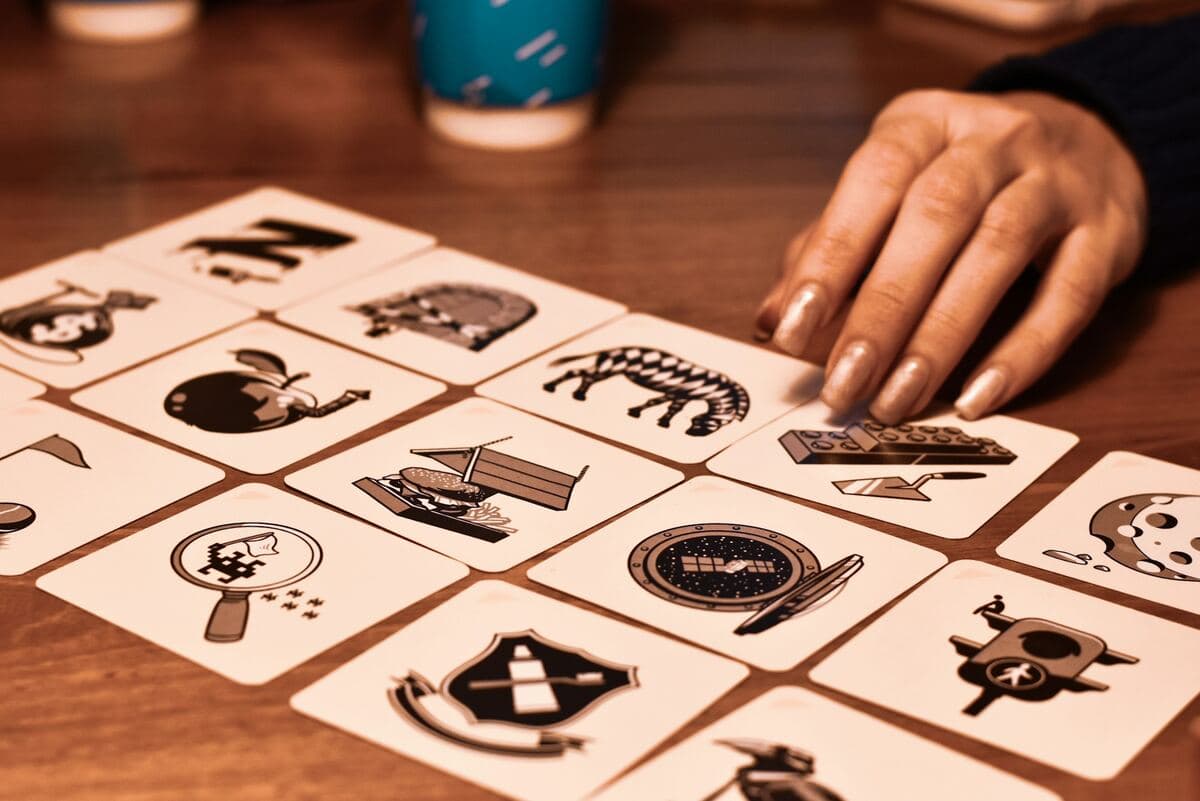
Any game with dice teaches addition. Roll two dice, add the dots. Your kid does this 30 times per game without complaining once. Try getting them to do 30 addition problems on paper.
Games like Uno teach number recognition and matching. Monopoly Junior introduces money and making change. Even simple card games where you compare who has the higher number teach greater-than and less-than.
Cooking is full of math
Baking cookies? That's measuring, counting, and fractions. "We need 2 cups of flour. We already put in 1. How many more?" That's subtraction in a context that makes sense.
Double a recipe and you're doing multiplication. Cut it in half and that's division. The best part is your kid gets to eat the result.
Building blocks teach patterns and sorting
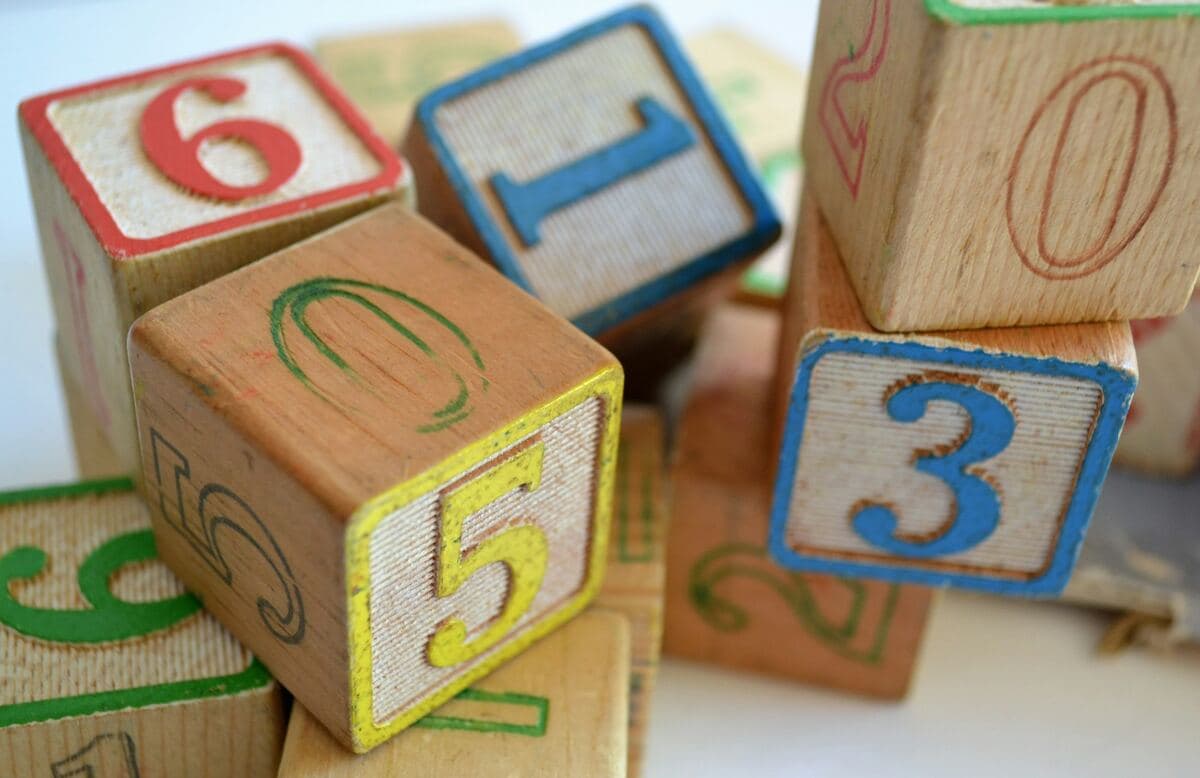
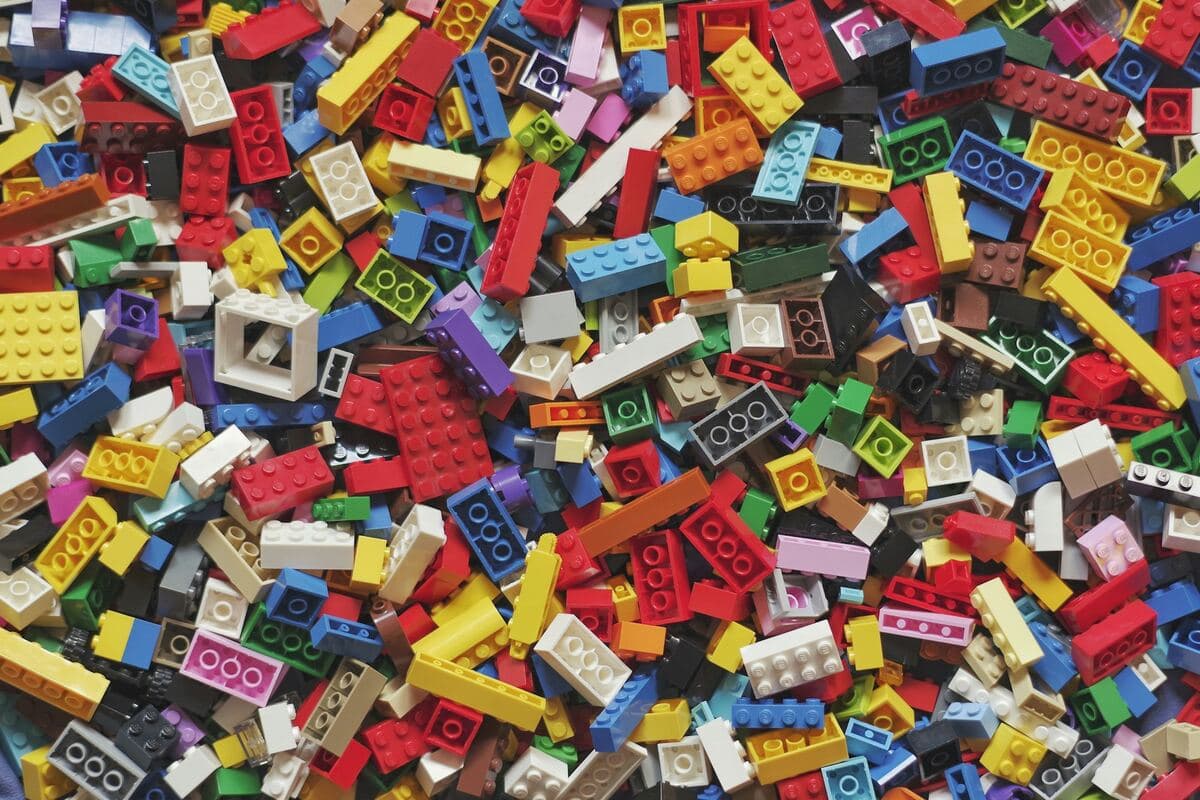
LEGO, wooden blocks, magnetic tiles. They all involve sorting by size, counting pieces, and recognizing patterns. Ask your kid to build a tower using blocks from smallest to largest, and they're practicing the same skill as our sort numbers game. Ordering things by value is a core math concept.
You can also remove a block from a sequence and ask "which one is missing?" That's the same idea behind the missing number game, where kids figure out which value belongs in a gap.
The trick is to stop calling it math
Don't say "let's practice math." Say "let's play a game" or "help me measure the flour" or "can you figure out how many plates we need for dinner?" The moment it feels like a lesson, the magic disappears.
Kids learn best when they're having fun. Not because fun is some nice bonus, but because a relaxed brain absorbs information faster. A stressed brain is too busy being stressed to learn anything.
Mix online and offline
Offline play is great, but online games have their own strengths. They give instant feedback, adjust difficulty automatically, and let kids practice independently. The trick is balance. Play dice games at dinner, build with blocks on the floor, and use screen time for focused practice that builds on what they already know.
The goal isn't to trick kids into learning. It's to remove the barriers that stop them from learning naturally. Math is everywhere. We just need to stop packaging it as something scary.