5 Mistakes Parents Make When Teaching Math to Kids

Most parents who teach math at home are doing it because they care. That's great. But caring doesn't automatically mean doing it right. Here are five mistakes I see all the time, and what works better.
1. Going Too Fast
Your kid can add single digits, so you jump to multiplication. This is like skipping to chapter 5 of a book because chapter 2 seemed easy.
Addition needs to be automatic before subtraction makes sense. Subtraction needs to be solid before multiplication clicks. Each skill builds on the one before it. When you rush, you're building on a shaky foundation.
What to do instead: Stay on each skill until your kid is bored by how easy it is. That's when you know they've actually mastered it. If they can do 20 addition problems without hesitation, they're ready to move on.
2. Using Timed Tests
"You have 2 minutes to finish this page." This turns math into a stress test. Some kids freeze up. Others rush and make careless mistakes. Either way, they're learning to associate math with anxiety.
Speed comes naturally with practice. You don't need a timer to make it happen.
What to do instead: Let your kid work at their own pace. If it takes them 10 minutes to do 10 problems, that's fine. Our practice games give instant feedback without any countdown clock. The kid focuses on getting it right, not getting it fast.
3. Saying "I Was Bad at Math Too"
You mean it as comfort. Your kid hears it as permission. "Mom was bad at math and she's fine, so I don't need to try either."
Math isn't a talent you're born with or without. It's a skill, like riding a bike. Some kids pick it up faster, but every kid can learn it with enough practice.
What to do instead: Say "This is tricky, but we'll figure it out together." Struggle is normal. Giving up isn't.
4. Too Many Problems at Once
You print a worksheet with 30 problems because more practice must be better, right? Wrong. A 5-year-old looks at 30 problems and feels defeated before they start. It's like putting a full plate of vegetables in front of a kid who won't eat one carrot.
What to do instead: Ten problems is enough. Seriously. If they get 8 out of 10 right, they're learning. If they get all 10 right, bump up the difficulty next time. Our worksheets let you choose exactly how many problems to include, so you can start small and build up.
5. Skipping the "Why"
"3 + 4 = 7. Memorize it." Sure, that works until it doesn't. When your kid hits word problems or multi-step math, pure memorization falls apart. They need to understand that addition means combining two groups, not just that certain numbers go together.
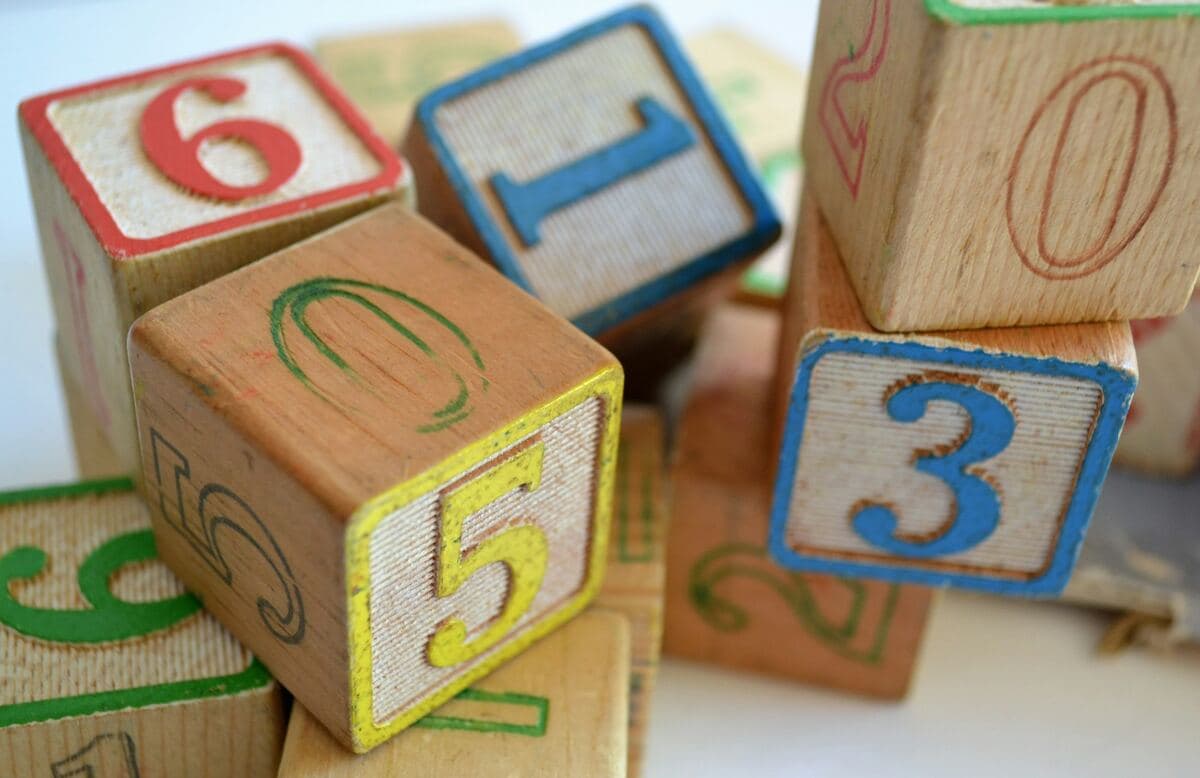
What to do instead: Use objects. Put 3 blocks on the left and 4 on the right. "How many do we have when we push them together?" Once they understand what addition actually means, the facts stick better because they have something to hang on to.
You can do the same with subtraction. Start with 7 blocks, take away 3. "How many are left?" This takes an extra minute, but it saves hours of confusion later.
The Common Thread
All five mistakes come from the same place: treating math like a performance instead of a process. Kids don't need to be fast, do tons of problems, or memorize facts. They need to understand numbers, feel comfortable making mistakes, and practice a little bit every day.
Keep it short. Keep it pressure-free. Let them figure things out. That's what actually works.