Spring Break Activities for Kids Without Screens

Spring Break Activities for Kids (Without Defaulting to Screens)
A whole week off school sounds great until day two. By then the toys are all over the floor, the siblings have had their first fight, and here comes the question you knew was coming: "Can I have the tablet?" Screens are the easy way out, and with several days of break still ahead, easy wins a lot of the time.
You don't need to run a camp with an hourly schedule to avoid that. A loose rhythm works fine (something hands-on in the morning, something active midday, quiet time in the afternoon), plus three or four ideas prepared in advance. These are the ones that work best at home with kids aged 4 to 12.
Worksheet mornings: twenty minutes that shape the day
The trick happens the night before. Before you go to bed, print two or three printable worksheets and leave them on the breakfast table with a couple of colored pencils. In the morning your kid finds them there, like they're part of breakfast. No announcing it as homework, no "time to do some work".
It works because vacation mornings have no shape, and kids do well with something concrete in their hands for a while. Let them pick which worksheet to do first: addition, tracing, whatever they reach for. Fifteen or twenty minutes is plenty. When the interest runs out, it's over, and you got to drink your coffee in peace.
A worksheet during break is not a test. If they get stuck, help them or move on. The goal is to start the day with busy hands and nothing plugged in.
The egg hunt that sneaks in some counting
The egg hunt is the star activity of the week, and with two small tweaks it turns into a numbers game without anyone noticing.
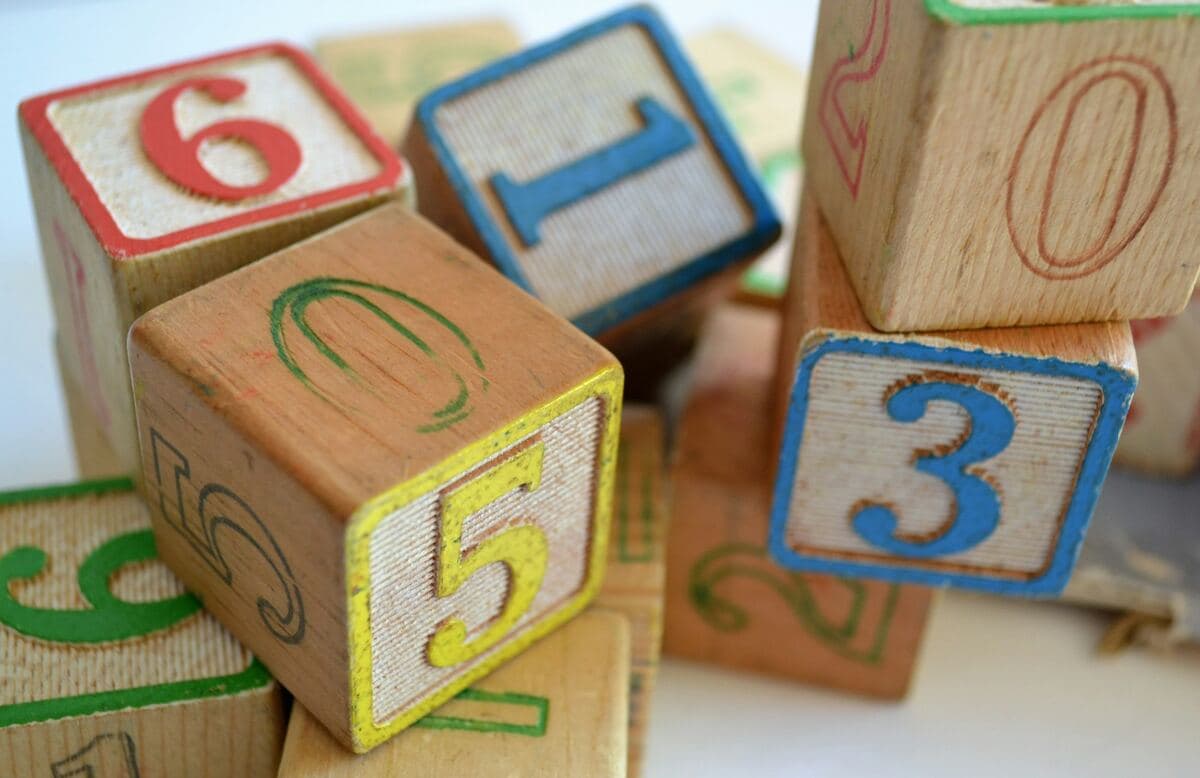
Write a number from 1 to 10 on each egg, plastic or hard-boiled and dyed, either works. Hide them around the house or the yard. The mission isn't just finding them: they have to bring them back and put them in order. A 4 or 5 year old will happily spend a while arranging them, and all you have to ask is "which one are you missing?" to get them checking the sequence on their own. "I've got 3, 4 and 6... I'm missing 5!"
With kids aged 6 to 8, add sums. Once all the eggs are in, ask what any two of them add up to, or what the whole basket adds up to. With 9 to 12 year olds, put a slip of paper inside each plastic egg: a multiplication problem whose answer tells them where to look next. "6 x 8... 48! Where's the sticker with 48 on it?" A treasure hunt with the times tables hiding inside.
Car games for the trip to grandma's house
If the break includes a road trip, the car is a gold mine of number games that need nothing at all, not even phone signal.
- License plates. Everyone adds up the digits on a plate, and whoever calls out the total first wins. For little ones, keep it simpler: "find a 7 on the next plate".
- Guess my number. Think of a number from 1 to 100 and only answer "higher" or "lower". Count how many questions it takes them to get it. Then they think of the number and you do the guessing.
- Counting I spy. How many red cars will we see before the next exit? Everyone makes a bet, then you count. Works with trucks, motorbikes or gas stations too.
Twenty minutes of this and the trip shortens itself. If the drive is long, save one of the games for the way back, which always feels longer.
Should kids keep practicing during a school break?
Yes, but only a little. Ten minutes a day keeps everything from the term fresh without turning the break into school. The size matters: ten minutes is a pleasant moment, forty-five is a lesson, and your kid can tell the difference perfectly well.
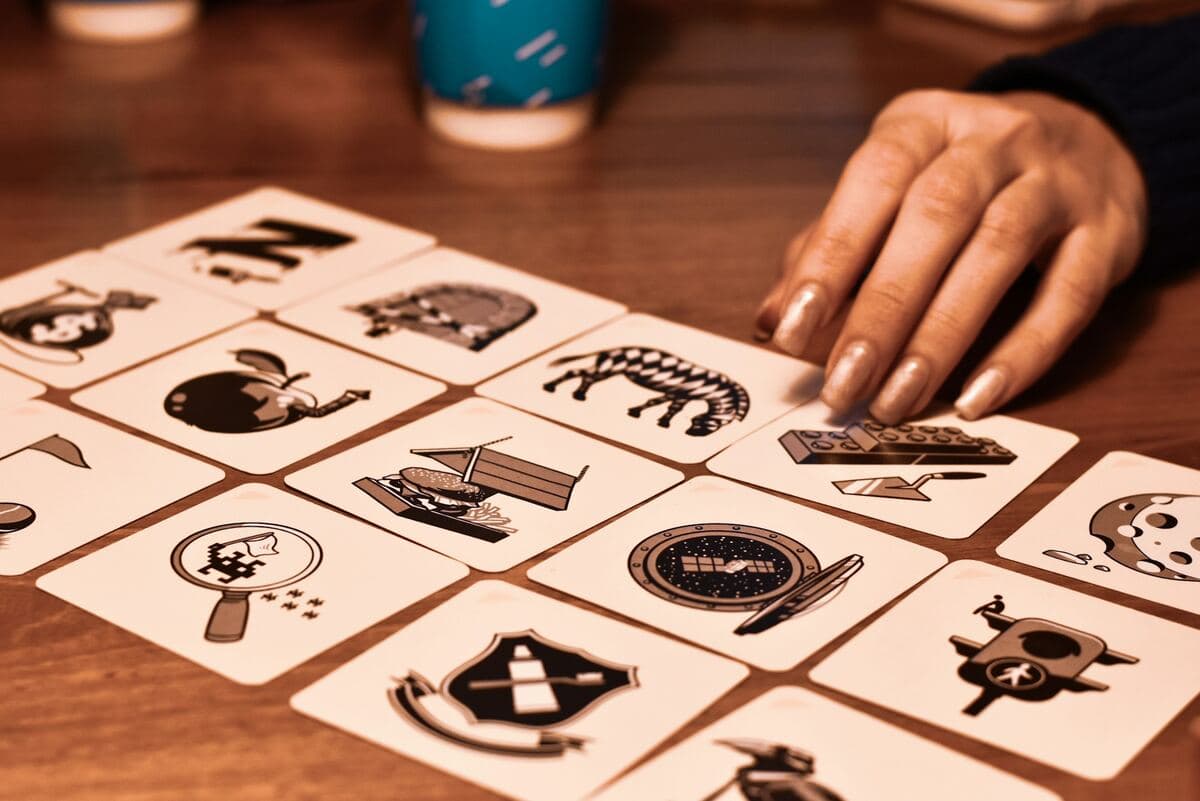
If you already follow a daily math routine at home, the minimal version is enough during break: one short worksheet or one round of a game. And yes, a screen can come in here with a clear conscience. Ten minutes with a memory game, matching pairs calmly with no timer, is nothing like an entire afternoon of videos. The difference is who chooses and how long it lasts.
For rainy afternoons, and spring break always brings a few, there are more ideas with dice and cards in math games at home without screens.
And if one day there's a family lunch or a beach trip and no room for anything else, that's fine. The habit survives a skipped day. What kills it is turning it into an obligation.
Start tonight
Once the house is quiet: print two worksheets and leave them on the table, write numbers on six eggs and hide them. Ten minutes of prep, and tomorrow you've got breakfast with worksheets, the hunt mid-morning and a free afternoon for whatever comes up. One day of break sorted without switching anything on.